Juneteenth Celebrations in and Near Asheville in Western North Carolina
Western North Carolina honors the federal holiday with community celebrations each June. See the listings below.
The History of Juneteenth
On June 19, 1865, Union General Gordon Granger arrived in Galveston, Texas, and read aloud the order that changed history. According to the Smithsonian Institute, Granger declared:
"The people of Texas are informed that in accordance with a Proclamation from the Executive of the United States, all slaves are free. This involves an absolute equality of rights and rights of property between former masters and slaves, and the connection heretofore existing between them becomes that between employer and hired laborer."
This order freed approximately 250,000 enslaved people in Texas, more than two years after the Emancipation Proclamation.
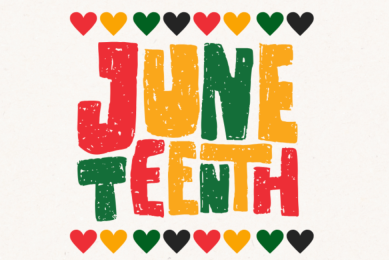
The holiday's name, explains Kelly Navies, museum specialist and oral historian at the National Museum of African American History and Culture, is simply "June + 19 = Juneteenth."
Juneteenth became a federal holiday through the tireless work of Ms. Opal Lee, the "Grandmother of Juneteenth". who celebrates her 100th birthday in 2026.
Juneteenth Things to Do
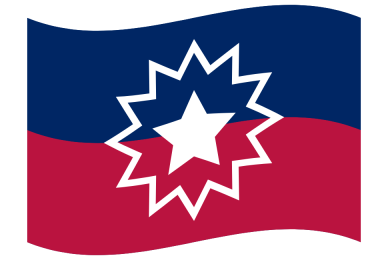
Juneteenth Celebration, Morganton
The Burke County NAACP hosts this free annual Juneteenth celebration at the outdoor ampitheater at the CoMMA Performing Arts Center. Drama, dance, and music performances. Call 828-433-7469 for… More Information
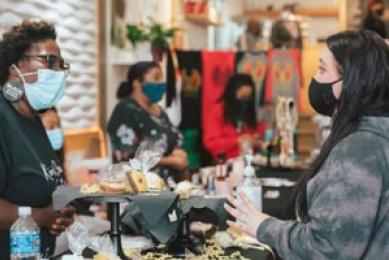
Black Wall Street AVL
Black Wall Street AVL is a Black business incubator with a mission to help people turn their ideas into reality and to build a supportive community for BIPOC business owners. They provide… More Information
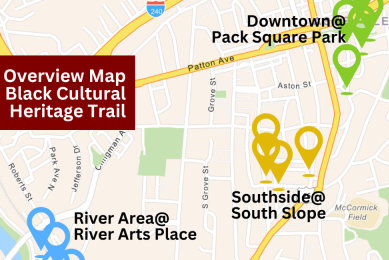
Walk the Asheville Black Cultural Heritage Trail
Learn how Black residents have been essential to arts, culture, and commerce in Asheville and Western North Carolina for more than 160 years by walking and listening to the Asheville Black…
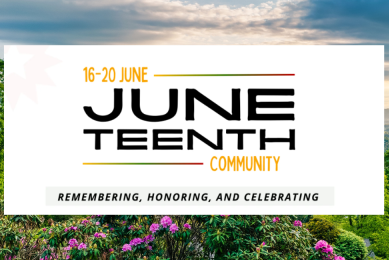
Juneteenth Celebration, Asheville
The public is invited to attend a series of free events by the The Martin Luther King Jr. Association of Asheville & Buncombe County and the City of Asheville. Events celebrate Black history,… More Information
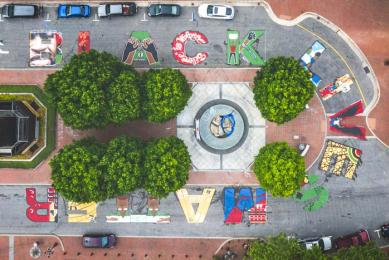
Black-Owned Businesses
Support Black-owned businesses in Asheville! Restaurants, coffee shops, breweries, tours & services celebrating African-American culture & community heritage.
Juneteenth Festival, Lake Junaluska
Free celebration of Juneteenth with a family-friendly evening of food trucks, live music, games, and a climbing wall at the outdoor gym. A joyful community gathering honoring freedom, history, and… More Information