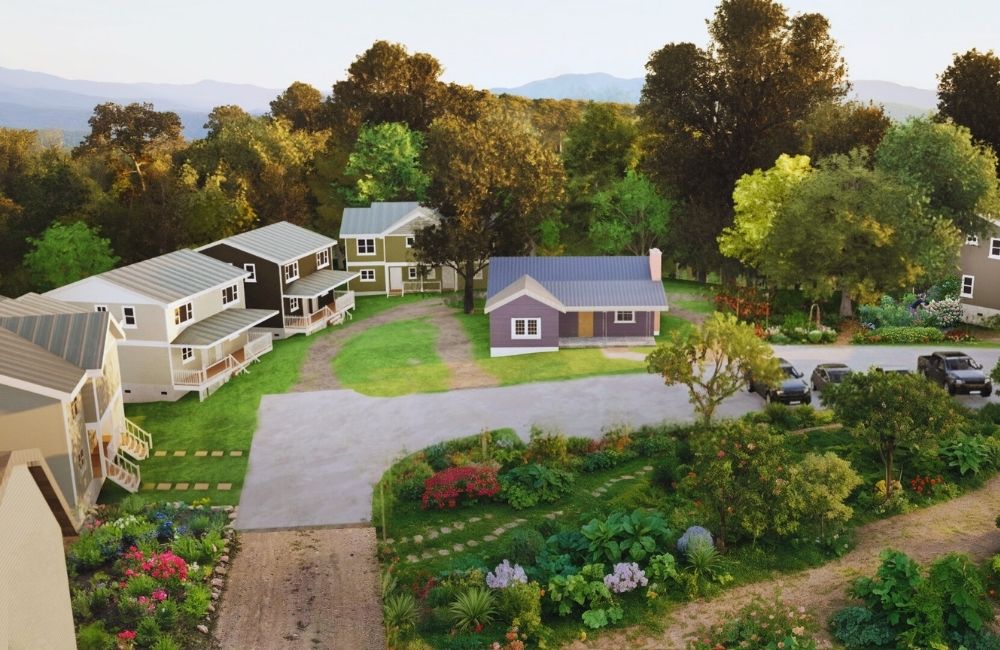
Photo above courtesy of Terra Future Regenerative Neighborhood in West Asheville.
Intentional and Sustainable Communities in WNC
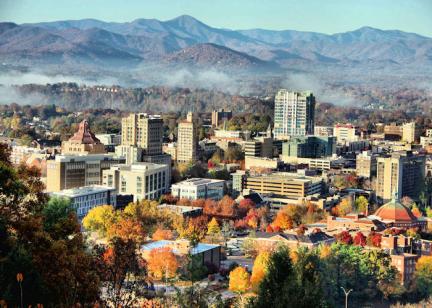
Asheville and Western North Carolina have become a national hub for intentional and sustainable communities. This is not as a trend, but as a practical response to what's possible in the Asheville area and across the Blue Ridge Mountains. People building values-centered lives around eco-friendly living, wellness, and genuine community connection have found that this biodiverse mountain region actually supports it.
Cohousing neighborhoods in West Asheville and Black Mountain, off-grid eco-communities along the French Broad River, and regenerative farms throughout the region practice environmental stewardship and collaborative decision making as operating principles, not aspirations. The access to Asheville's culture and outdoor recreation is part of the draw, but the communities themselves are why people stay.
Sustainable living around Asheville isn't one model, it's a spectrum of approaches shaped by what residents value most. Some communities prioritize renewable energy, regenerative systems, and green building. Others focus on organic gardens, shared resources, and local food systems. Many integrate all of the above plus wellness and nature access into walkable neighborhood design that balances daily life with long-term environmental responsibility. What these intentional and sustainable communities share is a commitment to living deliberately in relationship to place and to each other.
Intentional and Sustainable Communities Near Asheville, NC
Below is a curated list of intentional and sustainable communities and neighborhoods in and around Asheville, North Carolina.
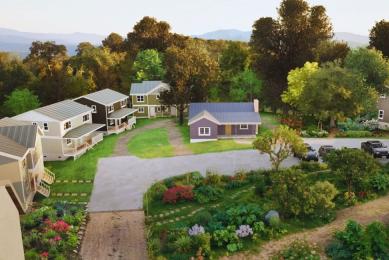
Terra Futura Regenerative Neighborhood
A regenerative and intentionally designed neighborhood in West Asheville that blends sustainable, green-built homes with permaculture gardens, shared green spaces, wellness amenities, and deep community connection just minutes from downtown.
More Information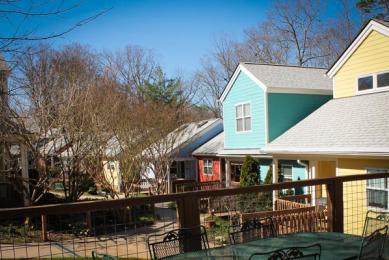
Westwood Cohousing Community, West Asheville
A multi-generational, eco-conscious cohousing community in the heart of West Asheville. For more than 20 years, Westwood has stood on four acres that includes terraced gardens, a creek, a small… More Information
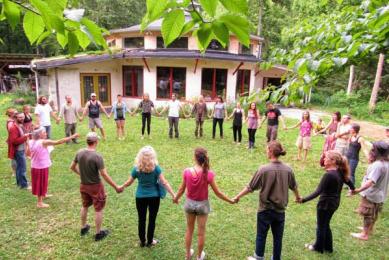
Earthaven Ecovillage, Black Mountain
Founded in 1994, this aspiring ecovillage sits on 329 acres, dedicating itself to caring for people and the Earth by learning, living, and demonstrating a holistic, sustainable culture. Their… More Information
Additional Intentional Communities to Explore
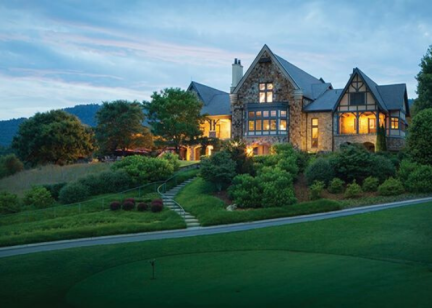
- Mountain Air Community - Burnsville, NC: A private, gated mountaintop community in Burnsville offering four-season living, scenic Blue Ridge views, golf, trails, social activities, and upscale amenities high above western North Carolina.
- Living Web Farms: A nonprofit organic education and research farm in western North Carolina with greenhouses, livestock, diverse crops, alternative energy projects, and year-round workshops that teach sustainable organic farming.
Common Features of Intentional and Sustainable Communities
Eco-Friendly Homes & Green Building
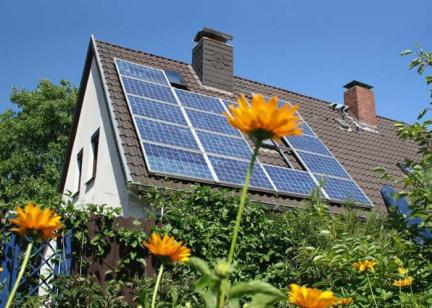
Many sustainable communities in Asheville and WNC prioritize green building and energy-efficient homes. Natural building techniques, solar panels, passive solar design, and eco-friendly materials reduce both environmental impact and long-term energy costs. The area includes both showcase homes and functional neighborhoods designed for how people actually live in the mountains, where heating, cooling, and weather exposure matter year-round.
Renewable Energy & Resource Conservation
Renewable energy systems are standard in many of these communities. Solar power, shared utilities, rainwater collection, and off-grid or hybrid infrastructure minimize reliance on external resources while supporting sustainable living. Resource conservation here means designing systems that work with mountain hydrology, seasonal sun exposure, and the realities of rural infrastructure, or the choice to operate independently from the power grid or public utilities.
Shared Spaces & Amenities
Most intentional communities, cohousing developments, and sustainably designed neighborhoods feature thoughtfully planned shared resources that reduce individual costs while enhancing quality of life. Shared amenities foster meaningful connections through common houses or community centers, green spaces, community gardens, hiking trails, and dedicated on-site gathering areas. These collaborative spaces actively support resident wellness, environmental stewardship, and the organic development of strong community bonds that define successful intentional living.
Community Gardens & Local Food
Local food production through organic gardens and permaculture systems form the agricultural foundation of many intentional communities and sustainable neighborhoods in Asheville and Western North Carolina. Residents collaborate in growing fresh, healthy food together, creating resilient local food systems that emphasize environmental sustainability, enhanced food security, and foster a meaningful connection to the land. These shared cultivation practices reduce carbon footprints, lower grocery costs, and strengthen community bonds through the simple act of growing and harvesting food together.
Decision Making & Community Governance
Intentional communities often employ collaborative decision-making models such as consensus-based governance or sociocracy to ensure every voice matters. These participatory frameworks encourage active resident participation, operational transparency, and shared responsibility among all community members, creating more equitable and responsive living environments. While some communities operate as grassroots collectives, others establish formal structures as nonprofit organizations or owners associations with professional community managers and governing boards of directors that balance member input with organizational sustainability and long-term strategic planning.
Wellness & Community Living
Communities often integrate wellness into daily life. Many intentional and sustainable communities prioritize direct nature access, walkable neighborhood layouts, abundant green spaces, and a deliberately slower, more mindful pace of living that nurtures physical health, emotional wellbeing, and environmental stewardship. This wellness-centered approach to community design reduces stress, encourages outdoor activity, and creates healthier living environments where residents can thrive both individually and collectively while maintaining meaningful connections to the natural world.