The Great Smoky Mountains National Park straddles the Tennessee and North Carolina border right near Asheville. Come see why this is the most visited national park in the United States with 11+ million visitors each year. Plan your vacation and adventures with our guides below. There are 520,976 acres of natural beauty filled with artifacts of early mountain culture to explore in GSMNP, so you are unlikely to run out of fun things to do while you are here.
An International Biosphere Reserve and UNESCO World Heritage Site, Great Smoky Mountains National Park is home to rugged mountains (many peaks in excess of 6,000 feet), historic homesteads, old-growth forests, famous hiking trails (including the Appalachian Trail, which passes right through the park) and 100,000 different types of plants and animals (including the most famous animals in the park–black bears). Since the park is so large and has so many places to explore during a vacation, where do you begin? (Pic at top is the highest point in GSMNP Clingmans Dome.)
Six entrances to the Great Smoky Mountains National Park are within 70 miles of downtown Asheville: Cataloochee Valley, Oconaluftee, Road to Nowhere, Balsam Mountain, Big Creek, and Deep Creek. Here are our top things to do in the Smokies on the North Carolina side.
Great Smoky Mountains NC Things to Do
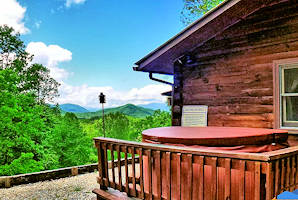
Bryson City Lodging: Cabins, B&Bs & Hotels
Find a wide variety of lodging accommodations in Bryson City and the Great Smoky Mountains, including log cabin rentals, boutique hotels, bed and breakfast inns and campgrounds.
Find a wide variety of lodging accommodations in Bryson City and the Great Smoky Mountains, including log cabin rentals, boutique hotels, bed and breakfast inns and campgrounds.
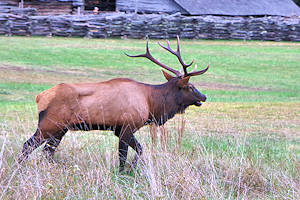
Elk in Cherokee
Watch majestic elk graze and interact in meadows at the Great Smoky Mountains Oconaluftee Visitor Center and other areas around Cherokee.
Watch majestic elk graze and interact in meadows at the Great Smoky Mountains Oconaluftee Visitor Center and other areas around Cherokee.

Great Smoky Mountains Rivers, Lakes & Watersports, NC
Explore and play in these 9 pristine lakes and rivers in the Great Smoky Mountains of western North Carolina - with a variety of water sports including boating, fishing, whitewater rafting,… read more
Explore and play in these 9 pristine lakes and rivers in the Great Smoky Mountains of western North Carolina - with a variety of water sports including boating, fishing, whitewater rafting, paddleboarding and more.
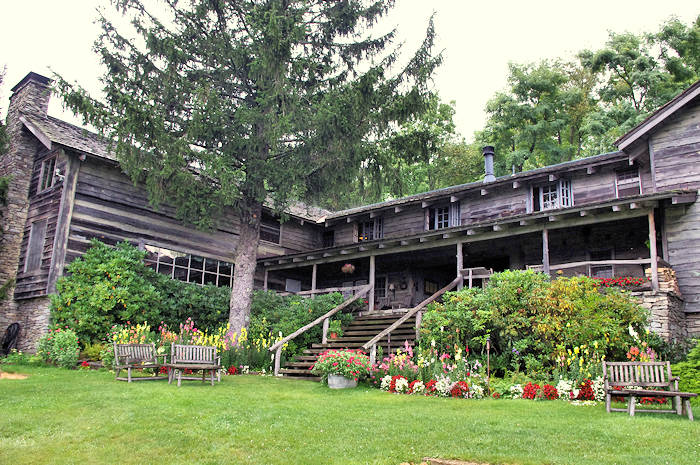
Great Smoky Mountains Hotels & Resorts
Book a vacation in one of these top hotels and resorts by the Great Smoky Mountains National Park on the North Carolina side.
Book a vacation in one of these top hotels and resorts by the Great Smoky Mountains National Park on the North Carolina side.
Great Smoky Mountains Top 20 Attractions
See our favorite attractions and things to do in the Great Smoky Mountains in the western North Carolina - inside the national park and just outside.
See our favorite attractions and things to do in the Great Smoky Mountains in the western North Carolina - inside the national park and just outside.
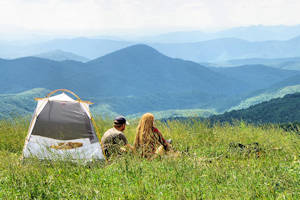
Camping in the Great Smoky Mountains, NC
See our comprehensive camping guide for the Great Smoky Mountains on the North Carolina side with many options, tips and places including backpacking sites and campgrounds.
See our comprehensive camping guide for the Great Smoky Mountains on the North Carolina side with many options, tips and places including backpacking sites and campgrounds.

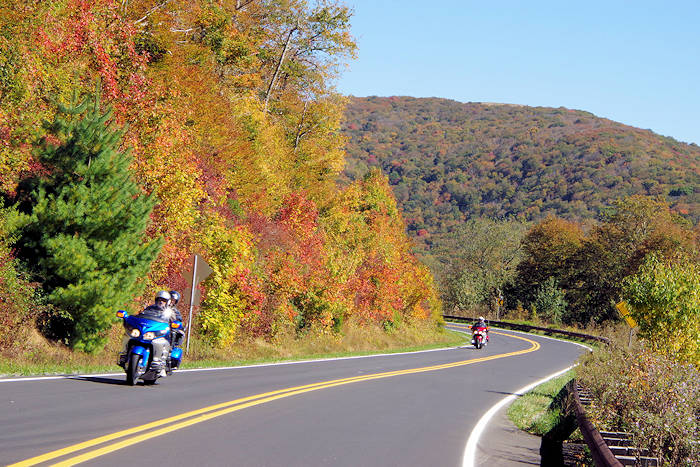
5 Scenic Drives, Great Smoky Mountains National Park
The Blue Ridge Parkway is not the only scenic drive in the Smokies! Drive these top scenic roads in the Great Smoky Mountains National Park on the North Carolina side, including Newfound Gap Road… read more
The Blue Ridge Parkway is not the only scenic drive in the Smokies! Drive these top scenic roads in the Great Smoky Mountains National Park on the North Carolina side, including Newfound Gap Road, for the best views and places to stop along the way.
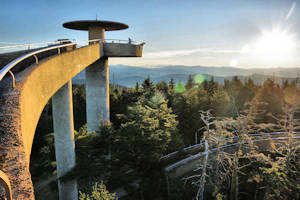
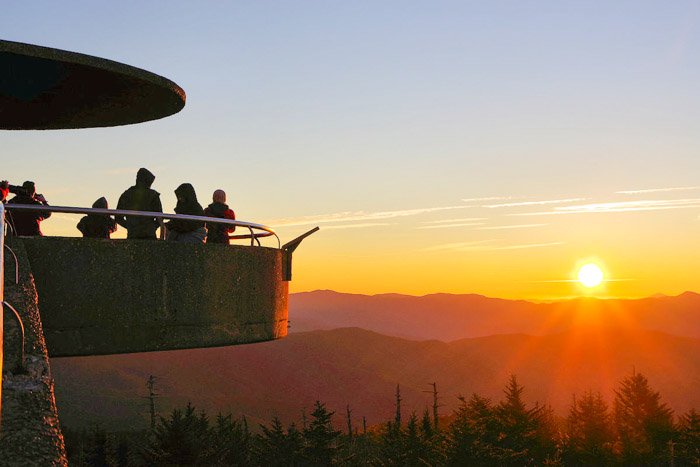
Clingmans Dome Observation Tower
See the 360-degree scenic view from the tallest peak in the Great Smoky Mountains National Park via a half-mile walk or enjoy views from the parking area. Open April-November.
See the 360-degree scenic view from the tallest peak in the Great Smoky Mountains National Park via a half-mile walk or enjoy views from the parking area. Open April-November.
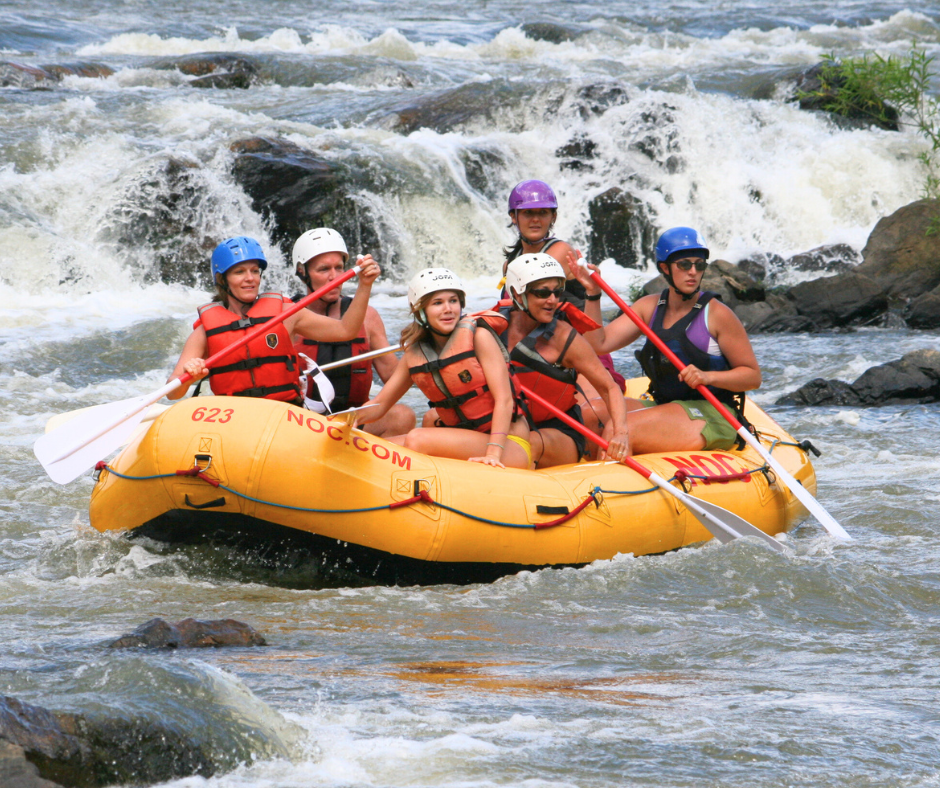
Nantahala Outdoor Center
NOC has been offering whitewater rafting for over 50 years! Enjoy family-friendly paddles on both the French Broad River outside of Asheville and on the Nantahala River campus outside of Bryson… read more
NOC has been offering whitewater rafting for over 50 years! Enjoy family-friendly paddles on both the French Broad River outside of Asheville and on the Nantahala River campus outside of Bryson City with ziplining, lake paddling, restaurants, lodging, and more!
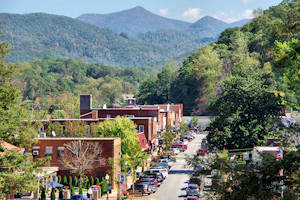
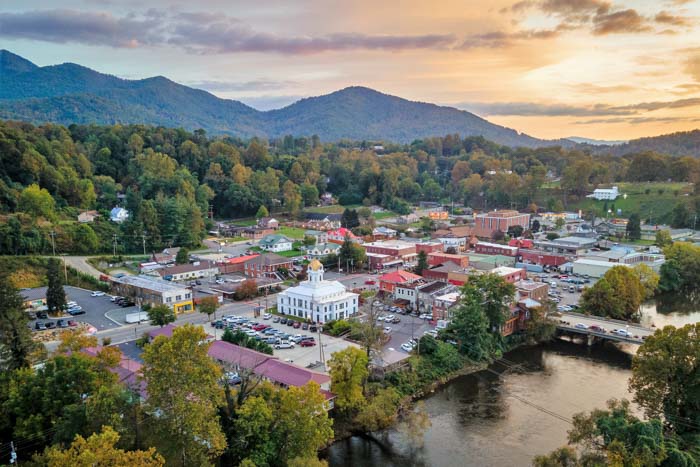
Great Smoky Mountains Small Towns in NC
Visit and vacation in these great small towns in the Great Smoky Mountains on the North Carolina side - basecamps for attractions and outdoor adventures.
Visit and vacation in these great small towns in the Great Smoky Mountains on the North Carolina side - basecamps for attractions and outdoor adventures.
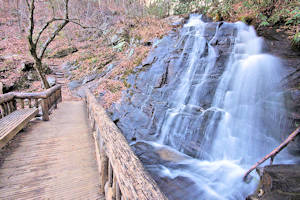
6 Waterfalls, Great Smoky Mountains NC
Find several easy-to-find waterfalls in the Great Smoky Mountains on the North Carolina side of the national park near Cherokee and Bryson City.
Find several easy-to-find waterfalls in the Great Smoky Mountains on the North Carolina side of the national park near Cherokee and Bryson City.
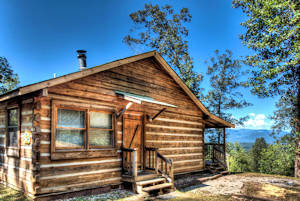
Great Smoky Mountains Cabin Rentals in NC
Find vacation cabin rentals on the North Carolina side of the Great Smoky Mountains National Park - ranging from rustic log cabins to luxury mountain top homes.
Find vacation cabin rentals on the North Carolina side of the Great Smoky Mountains National Park - ranging from rustic log cabins to luxury mountain top homes.

Great Smoky Mountains NC Travel Guide
Order the free 115-page Great Smoky Mountains North Carolina Travel Guide that includes activities and adventures in seven counties that surround the national park, published by Smoky Mountain… read more
Order the free 115-page Great Smoky Mountains North Carolina Travel Guide that includes activities and adventures in seven counties that surround the national park, published by Smoky Mountain Host.

Bryson City Restaurants
For a small town, you'll find a nice variety of restaurants, ranging from southern home cooking to a brewery and gourmet dining. A nice reward after a day of exploring the Great Smokies and… read more
For a small town, you'll find a nice variety of restaurants, ranging from southern home cooking to a brewery and gourmet dining. A nice reward after a day of exploring the Great Smokies and Nantahala River.
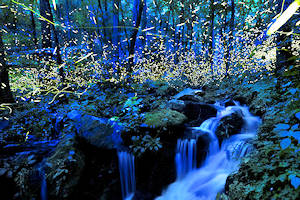
Fireflies in the Great Smoky Mountains
See the world-famous Synchronous Fireflies in the Great Smoky Mountains National Park each spring in late May and early June. Sign up early for the lottery for parking passes to see the show in… read more
See the world-famous Synchronous Fireflies in the Great Smoky Mountains National Park each spring in late May and early June. Sign up early for the lottery for parking passes to see the show in the Elkmont area.

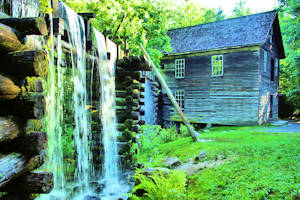
Mountain Farm Museum, Oconaluftee Visitor Center & Mingus Mill
Located at the entrance to the Great Smoky Mountains National Park near Cherokee, see historic farm buildings in an open-air museum and get plenty of great information from rangers. Nearby you can… read more
Located at the entrance to the Great Smoky Mountains National Park near Cherokee, see historic farm buildings in an open-air museum and get plenty of great information from rangers. Nearby you can explore Mingus Mill, a historic grist mill dating from 1886.

Great Smoky Mountains Outdoors, North Carolina
The Southern Appalachian mountains area is a paradise for hikers, boaters, anglers, and all other types of outdoor adventurers. See our top outdoor things to do, places, and adventures in the… read more
The Southern Appalachian mountains area is a paradise for hikers, boaters, anglers, and all other types of outdoor adventurers. See our top outdoor things to do, places, and adventures in the Great Smoky Mountains in western North Carolina with trails, rivers, and some of the highest mountains in the East.

Top 10 Hikes, Great Smoky Mountains Park NC
From world-renowned hiking trails like the AT to lesser-known gems, see our favorite 10 hikes from the North Carolina side of the Great Smoky Mountains National Park, nearest the Asheville area… read more
From world-renowned hiking trails like the AT to lesser-known gems, see our favorite 10 hikes from the North Carolina side of the Great Smoky Mountains National Park, nearest the Asheville area.

Great Smoky & Tsali Mountain Biking, NC
Find mountain biking heaven in the Nantahala National Forest with 40 miles of trails overlooking Fontana Lake in the Great Smoky Mountains. Located near Bryson City, where you can find bike… read more
Find mountain biking heaven in the Nantahala National Forest with 40 miles of trails overlooking Fontana Lake in the Great Smoky Mountains. Located near Bryson City, where you can find bike rentals and supplies.

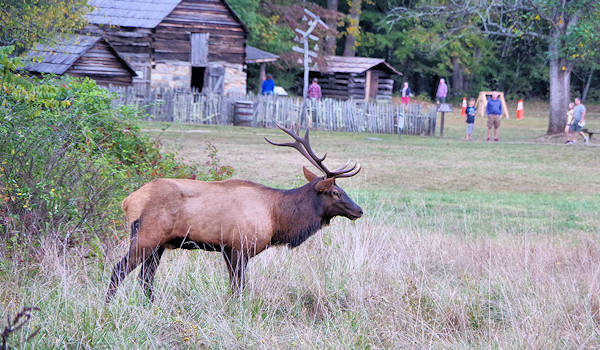
Elk in Cataloochee, Great Smoky Mountains
Watch the elk in beautiful Cataloochee Valley in the Great Smoky Mountains National Park. The best time is just before sunset. Take a picnic and tailgate. Also, tour historic buildings or hike.… read more
Watch the elk in beautiful Cataloochee Valley in the Great Smoky Mountains National Park. The best time is just before sunset. Take a picnic and tailgate. Also, tour historic buildings or hike.
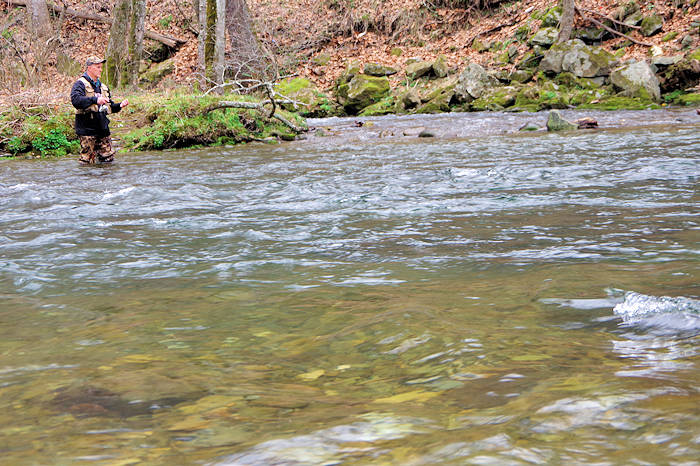
Fishing Guide for Great Smoky Mountains NC
See our fishing tips and best creeks, rivers and lakes to fish in the Great Smoky Mountains National Park on the North Carolina side and nearby towns including Cherokee, Sylva and Bryson City.
See our fishing tips and best creeks, rivers and lakes to fish in the Great Smoky Mountains National Park on the North Carolina side and nearby towns including Cherokee, Sylva and Bryson City.
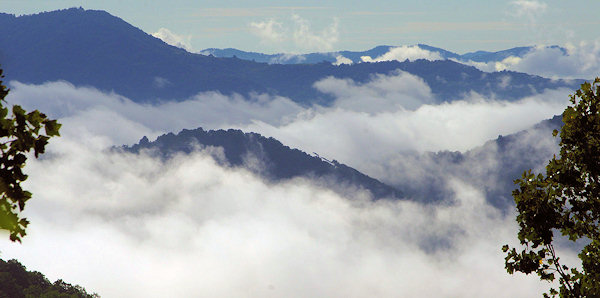
For more outdoor adventure tips, go to our Great Smoky Mountains Hiking & Camping Guide.
Can I Bring My Dog to Great Smoky Mountain National Park?
Yes and no. There are strict rules (and laws) about where you can and cannot take your pet dog in Great Smoky Mountain National Park.
Dogs are NOT allowed on any hiking trails or in the backcountry anywhere in Great Smoky Mountain National Park (including the Appalachian Trail).
Service animals, including trained guide dogs for visually impaired or hearing-impaired people, are an exception to this rule. Emotional support animals are not considered service animals. Read the NPS Guide to Service Animals in National Parks here.
Dogs ARE allowed in Great Smoky Mountain National Park campgrounds and picnic areas and along roads BUT they must always be kept on a leash of fewer than 6 feet in length. Allowing your dog to run off-leash in the park is against federal law and may be punishable by a fine. Pets that are caught running loose in the park may be impounded–so don’t risk it.
There are also two short walking trails in the park that allow leashed dogs: the Oconaluftee River Trail near Cherokee and The Gatlinburg Trail just outside of the town of Gatlinburg in Tennessee.
Plan to bring poop bags with you, as pet owners are required by law to immediately clean up any waste left by their dogs.
Visit NPS.gov to learn more about the GSMNP’s pet policy.
Fees
Entrance to Great Smoky Mountains National Park is FREE. The park is one of the only major national parks that does not charge an entrance fee. Fees are charged for activities such as overnight camping and pavilion rental at picnic areas. If you plan to camp in the park, reservations or permits may be necessary (backcountry camping, car camping, LeConte Lodge, horse camps, campgrounds). Reservations may be made for picnic pavilion use in picnic areas for group outings.
Overview of the Great Smoky Mountains National Park
Famous for the beauty of its ancient mountains, the Great Smoky Mountain National Park is also an ecological treasure that is home to a number and diversity of plant and animal life unsurpassed in the National Park Service (NPS). The Park also offers a glimpse into the lives of early Southern Appalachian farming families and community lifestyles. Seventy-seven historic structures concentrated in five historic districts include a collection of log cabins, barns, churches, grist mills and various outbuildings. The Smokies offer activities for visitors of various ages and interests. Recommended activities include camping, hiking the park's more than 800 miles of trails, picnicking, sightseeing, fishing, auto touring, horseback riding, nature viewing, and photographic opportunities abound.
In addition to its role in preserving the rich natural and historical heritage, the Park is a place for outdoor recreational pursuits. These range from a short stroll in the woods to a more extensive hike in the backcountry. Camping, fishing, picnicking, and horseback riding, or just viewing magnificent scenery are favorite pastimes. Every season in the Smokies can be the best time to visit: spring wildflowers, summer camping along cool mountain streams, fall foliage, and winter's crisp, blue skies are all reasons to visit. More than 4,000 species of plants grow here. A walk from mountain base to peak compares with traveling 1,250 miles north. Several resident plants and animals live only in the Smokies. The Park is an International Biosphere Reserve and a World Heritage Site. These international recognitions represent the Smokies' importance to the planet.
Visitor Centers in GSMNP
Want to get trail maps and info on the park directly from Rangers? There are four Visitor Centers in Great Smoky Mountain National Park, two in North Carolina, and two in Tennessee. The two that are closest to Asheville are the Oconaluftee Visitor Center in Cherokee, NC, and Clingmans Dome Visitor Center in Bryson City, NC. Just a bit farther away you can visit the Sugarlands Visitor Center in Gatlinburg, TN, and Cades Cove Visitor Center in Townsend, TN.
Related Articles about Great Smoky Mountains National Park
What is the hemlock woolly adelgid that is killing the hemlock trees in the Smokies?