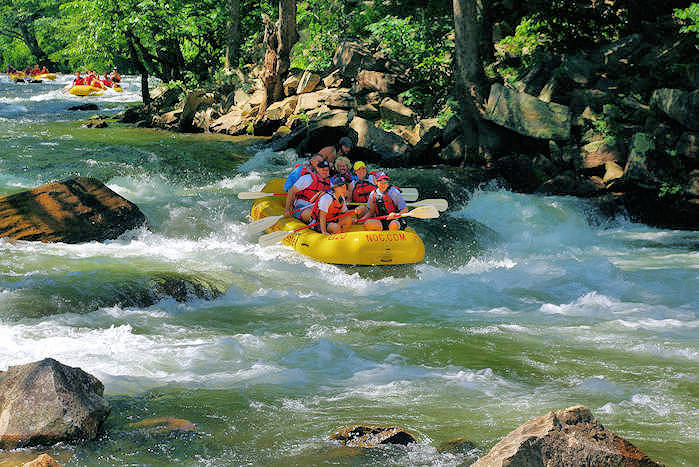
Franklin, North Carolina, is known as the "Gem Capital of the World." The area is rich in gems and minerals and is a favorite spot for rockhounds of all ages. The famous Cowee Valley north of Franklin lures thousands each year to its mines which yield valuable stones to lucky miners annually. You’ll also find other gem mines located throughout the area. Among the native stones found are ruby, sapphire and garnets, just to name a few. Most mines are open from spring through autumn. See our Gem Mining Guide.
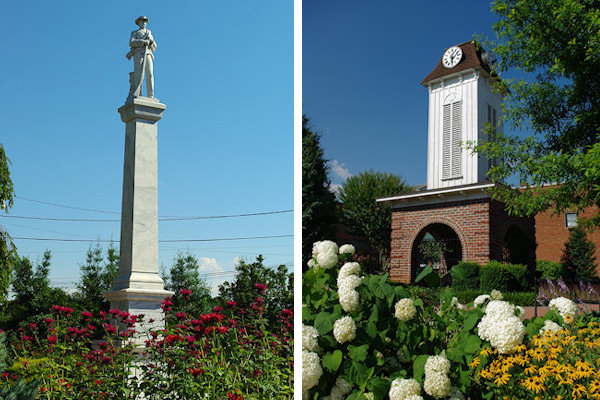
Downtown Franklin is home to an active Gem & Mineral Society, which operates the charming Franklin Gem and Mineral Museum (25 Phillips Street) in a 19th-century jailhouse. The museum’s interesting displays include local and state specimens, Indian artifacts, fossils and more. The interest in gems and minerals has also spawned one of the country’s best-known gem shows, the Macon County Gemboree in late July.

There are two additional museums located in downtown Franklin: Macon County Historical Museum (36 West Main) and the Scottish Tartans Museum (86 East Main), the only American extension of the Scottish Tartans Museum in Scotland. Stroll through the history and culture of Scotland, then find your family tartan.
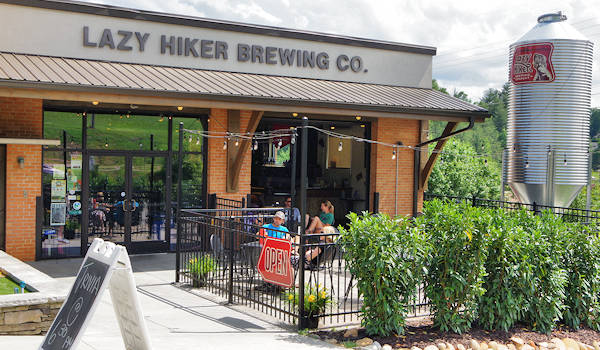
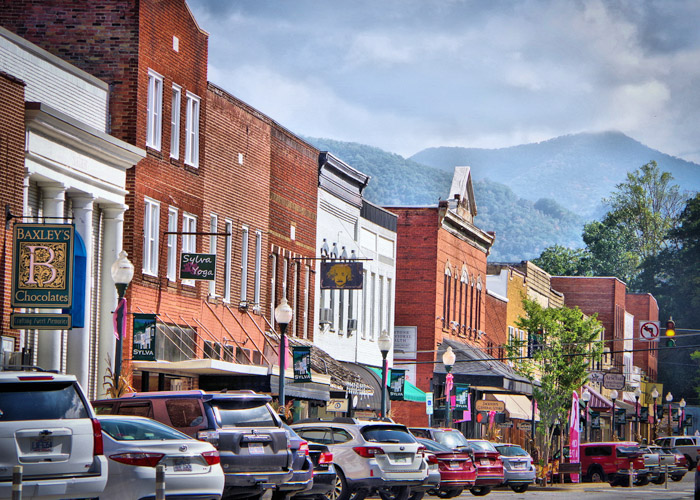
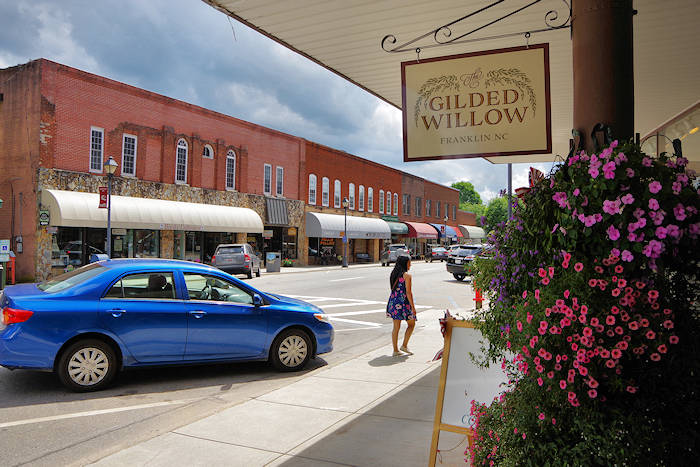
There are many shops, galleries and quaint hometown shops to browse downtown. Along with some good places for food and drink. Sample some local beers with locals at Lazy Hiker Brewing (188 West Main).
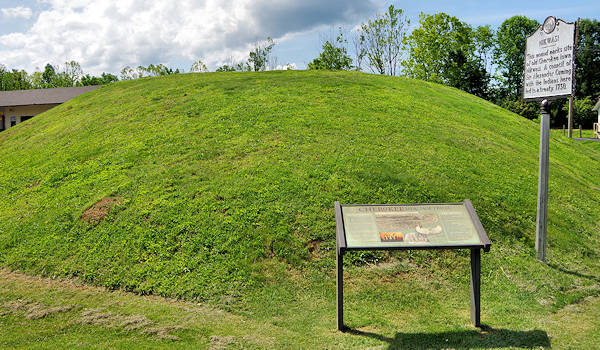
Near downtown is the Nikwasi Mound (524 East Main Street), a man-made knoll in Cherokee that was located here and hosted British delegations in 1727 and 1731.
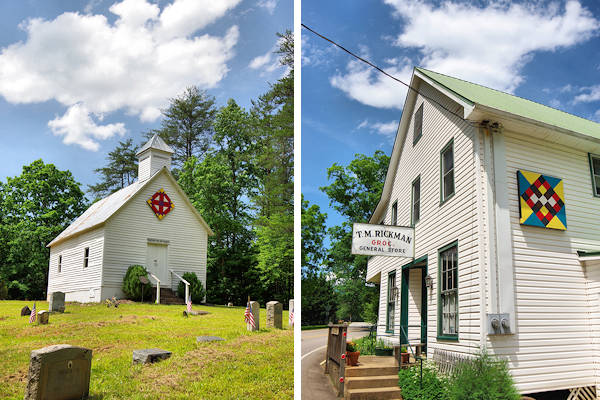
About six miles north of Franklin is the Cowee West's Mill National Register Historic District with a history dating back 1,400 years. In the mid-18th-century, Cowee and the Little Tennessee River Valley was the central stage on which the future of two nations would be determined: Cherokee and America. Find many gem mines too! Read more about Cowee.
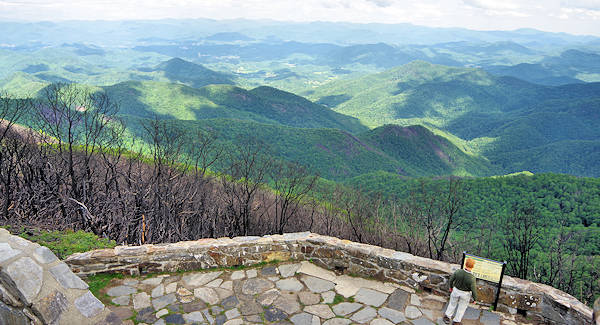
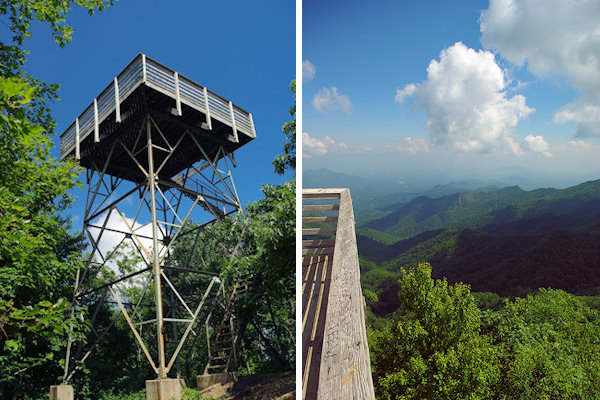
Nearly half of Macon County, of which Franklin is the county seat, lies within the Nantahala National Forest. Comprised of over half of a million acres of unspoiled beauty, the rolling mountains rise to peaks over 5,000 ft. high from the valley of the Little Tennessee River. See panoramic mountain views from Wayah Bald Lookout Tower.
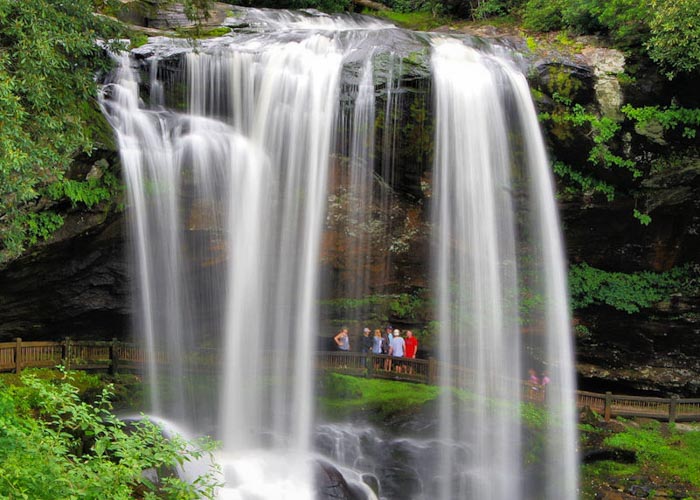
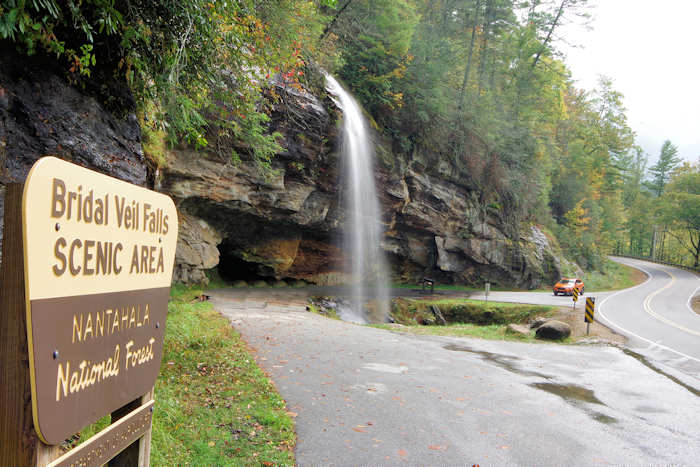
Spectacular waterfalls, fantastic hiking trails, pristine fishing streams and abundant wildlife are among the area’s many natural treasures. Franklin is situated between two popular scenic gorges, the Cullasaja and the Nantahala. Read more about nearby waterfalls near Highlands and Cashiers. Walk behind Dry Falls, just 16 miles from Franklin on the Mountain Waters Scenic Byway. See Cullasaja Falls and drive behind Bridal Veil Falls. For a great hike about 23 miles east, check out Whiteside Mountain.
The mountainscape is lined with many wonderful hiking trails, including the famous Appalachian Trail (AT), which meanders for 60 miles along the crest of the Nantahala Mountains. Some 40 miles of side trails interlace with the AT. A nearby hike on the Appalachian Trail takes you to Wesser Bald Lookout Tower.
Another lesser-known trail also makes its way through Macon County. Bartram Trail, named for American Botanist William Bartram, who documented the native flora and fauna of the area in 1775. Bartram Trail climbs into the hills, inviting hikers to follow the explorer’s footsteps and discover for themselves the exuberant natural world in which he took such delight.
Franklin is situated along major highways US 23/441 and Highway 64 (Mountain Waters Scenic Byway), with easy access to major interstates I-40, I-26 and I-85. The resort town of Highlands is 19 miles east on US 64.
See more of our Coolest NC Mountain Small Towns.
Franklin Directions from Asheville: Take I-40 west to route 23/74 west towards Waynesville. Take 23/74W to 23/441 towards Dillsboro, Sylva and Franklin. 67 miles, 1-hour drive.
The Taste of Scotland and Celtic Festival is held on Father's Day Weekend with four days of Scottish fun, including a clan parade, highland games, dancers, crafters and more.